
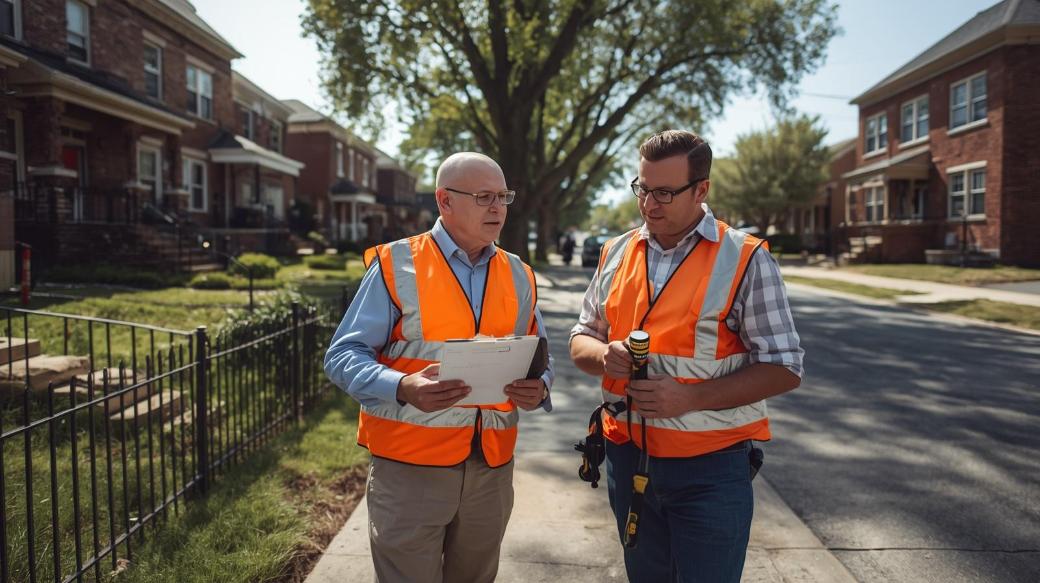
Why are city councils discussing rodents, bees, and ants? These conversations reveal something larger about how Buffalo officials are thinking about the future of their neighborhoods. Increasingly, city leaders are recognizing that pest activity can signal deeper urban issues.
As a result, planners and administrators have begun consulting an exterminator Buffalo NY and pest control professionals as part of broader discussions about neighborhood health.
At one community meeting, a city staff member mentioned that pest complaints often act as early warning signals. A spike in rodent reports, for example, can point to deeper structural problems such as disrupted sanitation services, neglected properties, or poor drainage systems.
Pest control professionals are often the first to notice these patterns because their work places them directly inside the neighborhoods experiencing them.
Many technicians spend most of their working hours moving through the same streets and buildings week after week. That routine gives them a perspective few other professionals have.
While residents might notice pests occasionally, technicians see recurring conditions: overflowing trash bins, poorly sealed basements, broken drainage lines, and abandoned structures. These details often reveal patterns long before official city reports do.
The Street-Level Observers
One pest control technician told me during an interview that pest control workers are, in a sense, “unofficial urban sociologists.” At first the comment sounded humorous, even exaggerated. But after hearing more stories from technicians, the observation started to make sense.
Their day-to-day work exposes them to the hidden infrastructure of neighborhoods. They enter basements, crawl spaces, storage areas, and utility rooms. In doing so, they often notice maintenance problems that rarely appear in policy reports or planning meetings.
Local officials have slowly begun to recognize the value of these observations. The shift hasn’t been dramatic or widely publicized, but it is noticeable.
Departments responsible for planning and waste management have started incorporating pest control reports into conversations about sanitation schedules, waste container placement, and property maintenance enforcement.
A Different Type of Knowledge
Planners, economists, and environmental specialists typically dominate urban policy discussions. Their expertise is essential. Yet practical, on-the-ground knowledge can sometimes reveal issues that formal studies overlook.
Pest control professionals approach neighborhoods in a very empirical way. They observe the same buildings and streets repeatedly, which allows them to identify patterns in neglect, waste management, and structural deterioration.
Often, technicians can recognize signs of future pest outbreaks well before those problems appear in official statistics.
Cities have always dealt with pest-related health concerns. Rodents, insects, and other pests can contribute to sanitation problems and disease risks if left unchecked. What is changing now is the recognition that pest activity often reflects deeper conditions in the built environment.
Health of the Community and Organization of the City
One encouraging development in Buffalo is the growing spirit of cooperation. Community leaders are gradually shifting their focus from reacting to pest outbreaks toward preventing them.
This includes practical adjustments such as reviewing waste collection schedules, relocating trash bins, and working with housing managers to improve building maintenance. Small changes like these may not attract headlines, but they can significantly reduce recurring pest problems.
During a neighborhood meeting I attended, city officials, residents, and pest control workers gathered around a table to discuss these issues. The meeting itself was fairly quiet.
There were no speeches or grand announcements. Instead, the conversation focused on simple questions: Are trash bins placed in the right locations? Are maintenance schedules consistent? Are certain buildings attracting repeated pest complaints?
Those discussions might seem mundane, but they are often where real improvements begin.
Some of these conversations are also influencing debates around housing policies, especially concerning older buildings that tend to attract pests due to aging infrastructure.
When policymakers better understand how building design, maintenance, and microclimates interact, solutions become more practical and community-focused.
There is something quietly encouraging about this kind of local governance. The work is incremental and rarely dramatic, but determined local problem-solvers often create the most lasting improvements. Over time, these small adjustments can lead to smarter policies and healthier neighborhoods.